
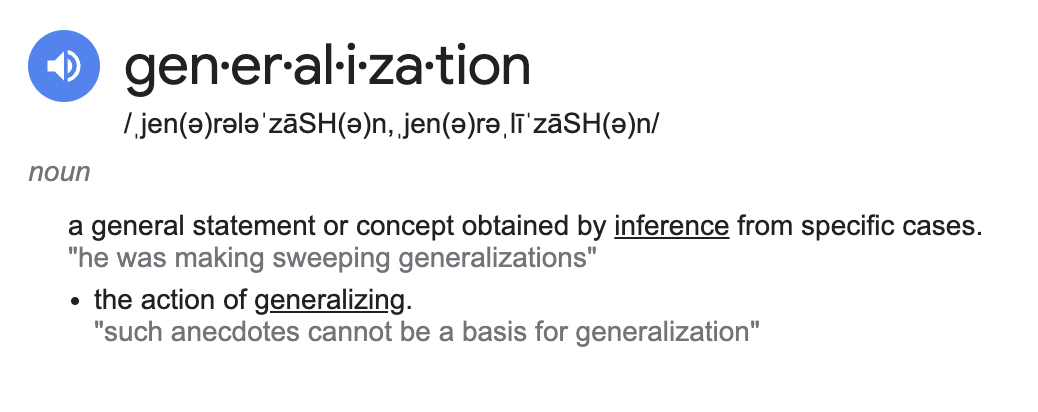
Generalizations abound regarding churches and Christians. I did a quick search online and here are a few comments that immediately came up about churches and Christians.
“The problem with the church today is they are afraid to tell the truth because they will lose members if there is any discomfort or disagreement.”
“This is the major problem with today’s Christianity. Too many doctrines and teachings.”
“The church today is lacking good Bereans.”
“The problem with most religious people is self-righteousness. Most of them have only been fed pablum in these evangelical starter churches making them dangerous.”
“That is the reason why the churches are having problems with attendance! There are so many hypocrites in churches now days that it’s hard to know who is doing what and to who!”
“Biblical literacy is a huge problem in the church…People in churches may pay lip service to the importance of the Bible, but by and large they do not read it or know it.”
“The problem with today’s Christianity is that many do not know the Spirit in a proper way.”
There are morsels of truth within these quotes, but for the most part they are gross generalizations. Have the people stating the generalizations examined every church? Have they interviewed every believer? Or have they even examined enough of a cross section to have plausible data? Likely they have not.
Here are a few reminders to evaluate generalizations:
First, try to avoid generalizations by either having good data so you can make valid statements or by qualifying your statements. Rather than making wholesale statements, qualify your words. For example, “the problem with some/alot/many churches is….” The challenge for some/alot/many Christians is….”
Second, know that all of us are working from reference points that are limited. I know what I know and I am an expert in my own context. What I know and am an expert on, is not globally applicable. There may be transferrable principles but what is true about my context is not necessarily true about everyone’s context.
Third, be aware of bias and personal agendas. An old saying is, “When you have a hammer, everything looks like a nail.” This applies in ministry because if I am having a particular issue or my church is having a particular issue, then I may automatically assume everyone is experiencing the same. This is not even close to being true.
Fourth, it is easy to arrive at generalizations if they serve our purposes. Some people have a bent toward criticism. Be careful not to draw generalizations for the purpose of criticizing and tearing down.
In summary, a generalization draws a conclusion about all or many, on the basis of one or a few evaluations. Approach people and circumstances with a desire to be accurate in your evaluation, fair in your communication, and mindful of generalizations.

